• Home
  • About
  • News
  • Portfolio
  • Press
  • Articles
  • Design Ideas
  • Contact
  • Lifestyle
  • Services
  • Project X

Y2DC©

~ DesignConsultants: LDN | HK | NYC | LA

Y2DC©

Category Archives: Lifestyle

TRIUMPH SPEED TWIN CONCEPT

23 Monday Apr 2012

Posted by Y2DC© in Lifestyle

≈ Leave a comment

Tags

ace cafe london, Barbour Outdoor Clothing, national motorcycle museum, rodandtoddesign, style, Triumph, triumph bikes, Triumph Bonneville, Triumph Motorcyles, Triumph Speed

Triumph Bonneville concept

EXCLUSIVE Here’s the most exciting new motorcycle concept we’ve seen in a while—and it doesn’t come from an in-house design studio. It’s the work of two young English designers, Roy Norton and Tom Kasher, in a collaboration with Triumph Motorcycles and Barbour Outdoor Clothing. The base platform is the Triumph Bonneville, heavily restyled and fitted with girder forks.

Triumph Bonneville concept
The idea for the Speed Twin started when Norton and Kasher were in their final term at university. They started sketching ideas for “a bike taking retro themes in a modern direction”. After landing a placement with motorcycle design studio Xenophya, the pair contacted Triumph. Product Manager Simon Warburton liked what he heard, and agreed to get involved. He wrote a brief requesting a modern re-interpretation of a classic theme: “A bike based around our 865cc air-cooled parallel twin, styled to appeal to younger riders.” Warburton wanted to see “the bike the Bonneville might have evolved into, in an alternative universe”.

Triumph Bonneville concept
After visits to the Ace Cafe London and the National Motorcycle Museum, Norton and Kasher set to work, taking inspiration from cafe racers, bobbers and Triumph bikes of old. They agreed a design direction with Triumph, and a ‘digital tape’ was created: Photoshop images of the proposal in side projection, which allows the design to be evaluated against the vehicle package and check constraints such as seat height, tank volumes and ergonomics. According to Norton and Kasher, “Triumph provided huge amounts of support and guidance through the design stage,” ensuring there would be no engineering, manufacturing or homologation issues.

Xenophya Design
The motorcycle in the images we’re looking at was created using a mixture of model board, foam and Automotive Styling Clay—a wax-like substance that can be shaped by tools to create the tank, seat unit and swing arm. “A design can become a three-dimensional object quickly. The nature of the material means it can be molded and sculpted very easily to refine and perfect the design.”

The frame of a production Bonneville—supplied by Triumph—was heavily modified. Chopped and refabricated, it’s the basis for a strong and contemporary look. The contrast comes from the front, where girder forks pay homage to the bikes of the past. Barbour cloth is used on the seat fabric and grips, adding durability and style to the finish of the Twin, and the filler cap and instruments were also redesigned.

Triumph Bonneville concept
Once the basics of the model were in place, the bike was transferred from the Northumbria University studios to Xenophya Design. The prototype was refined and painted, transforming it from a blend of clay, foam and metal into a full-scale model. Firestone tires, inverted levers and Thruxton brakes were added to round out the build.

Triumph is pleased with the result of the project. “The bike looks great,” says product manager Warburton. “Some elements may have an influence on some of our future projects.” And Norton (right, bottom) and Kasher (left) now have an insight into how production motorcycles are designed, at the highest level in the industry. They’ve landed full-time jobs at Xenophya, which means their work is likely to hit the streets in the future, in the form of production motorcycles. Judging by the aesthetics of the Triumph Speed Twin, that’s good news indeed.

Triumph Bonneville concept

Posted on 3 Feb 2012 in Concept Motorcycles
.

The Strand Craft 122 & SuperCar

22 Sunday Apr 2012

Posted by Y2DC© in Lifestyle

≈ Leave a comment

Tags

Bang and Olufsen, Bang Olufsen, interior design consultants, luxurious interior design, Luxury Toys, Strand Craft, Strand Supercar, Super Yachts, The Strand Craft 122

Price: $24 – 29 Million.

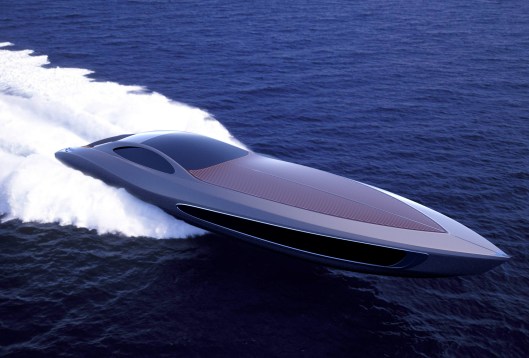
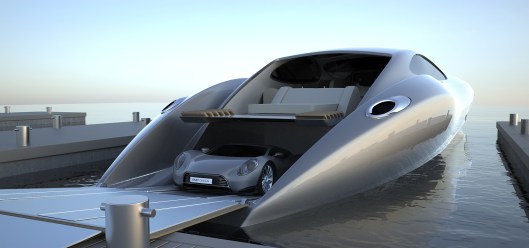
Strand Craft and Gray Design team up to create this superyacht, the Strand Craft 122. With 14,000 HP and a cruising speed of 55 knots, this luxury boat also comes with the Strand Supercar complete with two 880 HP Twin Turbo V12 with a top speed 375 km/h.

The Strand Craft 122 has it’s own garage for the Strand Supercar and with a 38 metre length, it definitely has room for it.

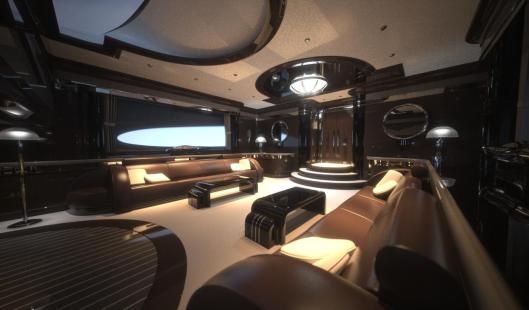
The Strand Craft 122 has a luxurious interior design while four double guest rooms, a saloon area and completed with ensuites.

Each room includes a 52″ LED TV hooked up to a Bang & Olufsen sound system.

How is this for exclusive? Only 6 will be made

Saint Andrea | Paros

22 Sunday Apr 2012

Posted by Y2DC© in Lifestyle

≈ Leave a comment

Tags

byzantine monastery, cosmopolitan town, Cycladicarchitecture, French finesse, great architecture, greek islands, luxury hotels, Naousa, naoussa bay, paros, saint andrea, travel, white rocks

Image

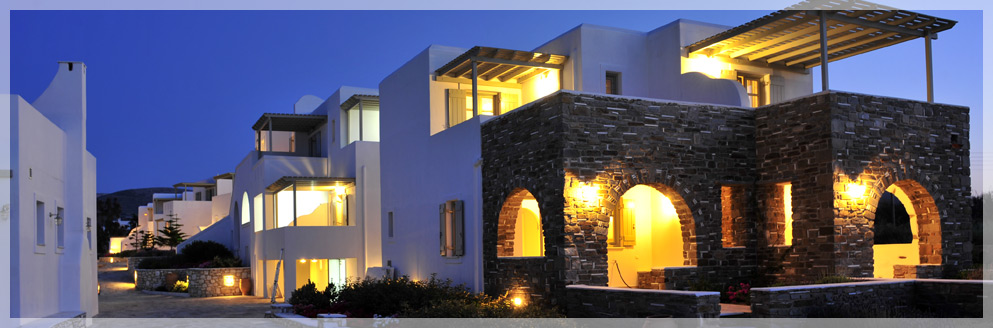
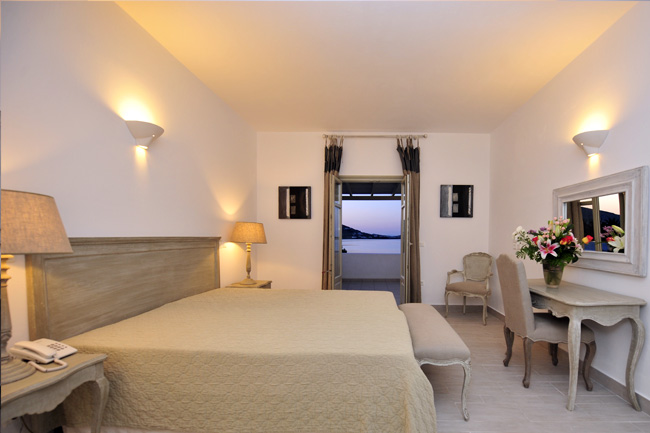
On the way to Kolymbithres, Paros – one of the island’s most beautiful beaches – right beside the sea and with a view of the Naoussa Bay, lies Saint Andrea Resort.

The owners named the hotel after the byzantine monastery of Saint Andrea, which belongs to the family since the 16th century. The hotel complex, with its Cycladicarchitecture and the French finesse, encompasses the luxury of another era and combines the modern trends of today with the aristocratic traditions of yesterday.

Saint Andrea Resort is built on the north side of the island, just 1,5 km from the cosmopolitan town of Naousa, with a view of the white rocks of the region, sculpted by nature herself. It consists of 56 rooms and suites, is superbly structured, and offerstop-quality services. Our knowledge and experience, the great architecture, the delicate and refined taste, the idyllic location, the luxury, our will to deliver impeccable results, our love of hospitality, and the Aegean’s deep blue palette can guarantee you anunforgettable summer.

Image

Miracle Above Manhattan

21 Saturday Apr 2012

Posted by Y2DC© in Lifestyle

≈ Leave a comment

Tags

architecture, arts, high line new york, interior design consultants, landscape design, nature, new york design, new york interior designers, new york landmarks, new york style, new yorkers, parks, Rudolph Giuliani, travel

New Yorkers can float over busy streets in an innovative park.

By Paul Goldberger

Photograph by Diane Cook and Len Jenshel

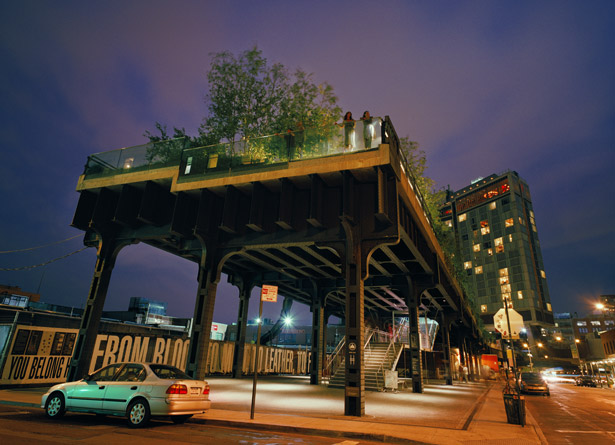
Parks in large cities are usually thought of as refuges, as islands of green amid seas of concrete and steel. When you approach the High Line in the Chelsea neighborhood on the lower west side of Manhattan, what you see first is the kind of thing urban parks were created to get away from—a harsh, heavy, black steel structure supporting an elevated rail line that once brought freight cars right into factories and warehouses and that looks, at least from a distance, more like an abandoned relic than an urban oasis.

Until recently the High Line was, in fact, an urban relic, and a crumbling one at that. Many of its neighbors, as well as New York’s mayor for much of the 1990s, Rudolph Giuliani, couldn’t wait to tear it down. His administration, aware that Chelsea was gentrifying into a neighborhood of galleries, restaurants, and loft living, felt the surviving portion of the High Line, which winds its way roughly a mile and a half from Gansevoort Street to 34th Street (a section farther south was torn down years ago), was an ugly deadweight. They were certain this remnant of a different kind of city had to be removed for the neighborhood to realize its full potential.

Never have public officials been so wrong. Almost a decade after the Giuliani administration tried to tear the High Line down, it has been turned into one of the most innovative and inviting public spaces in New York City and perhaps the entire country. The black steel columns that once supported abandoned train tracks now hold up an elevated park—part promenade, part town square, part botanical garden. The southern third, which begins at Gansevoort Street and extends to West 20th Street, crossing Tenth Avenue along the way, opened in the summer of 2009. This spring a second section will open, extending the park ten more blocks, roughly a half mile, to 30th Street. Eventually, supporters hope, the park will cover the rest of the High Line.

Walking on the High Line is unlike any other experience in New York. You float about 25 feet above the ground, at once connected to street life and far away from it. You can sit surrounded by carefully tended plantings and take in the sun and the Hudson River views, or you can walk the line as it slices between old buildings and past striking new ones. I have walked the High Line dozens of times, and its vantage point, different from that of any street, sidewalk, or park, never ceases to surprise and delight. Not the least of the remarkable things about the High Line is the way, without streets to cross or traffic lights to wait for, ten blocks pass as quickly as two.

New York is a city in which good things rarely happen easily and where good designs are often compromised, if they are built at all. The High Line is a happy exception, that rare New York situation in which a wonderful idea was not only realized but turned out better than anyone had imagined. It isn’t often in any city, let alone New York, that an unusually sophisticated concept for a public place makes its way through the design process, the political process, and the construction process largely intact. The designers were landscape architect James Corner of Field Operations and the architecture firm of Diller Scofidio + Renfro, who joined forces to produce the winning scheme in a competition that pitted them against such notables as Zaha Hadid, Steven Holl, and landscape architect Michael Van Valkenburgh.

Their plan struck a balance between refinement and the rough-hewn, industrial quality of the High Line. “We envisioned it as one long, meandering ribbon but with special episodes,” Corner told me. “We wanted to keep the feeling of the High Line consistent but at the same time have some variations.” The design included sleek wooden benches that appear to peel up from the park surface, but also kept many of the original train tracks, setting them into portions of the pavement and landscape. Working with Dutch landscape architect Piet Oudolf, Corner recommended a wide range of plantings, with heavy leanings toward tall grasses and reeds that recalled the wildflowers and weeds that had sprung up during the High Line’s long abandonment. (The line, which opened in 1934, was little used after the 1960s, although its final train, carrying frozen turkeys, didn’t travel down the track until 1980.)

Early in the two and a half decades that the High Line was unused and untouched, an obsessive rail buff named Peter Obletz purchased the elevated structure for ten dollars from Conrail with the intention of restoring it to rail use. Obletz’s ownership was held up in a five-year legal battle, which he lost. He died in 1996 but is, in a sense, a spiritual parent of the High Line preservation effort. So is photographer Joel Sternfeld. During the derelict years he made striking images of the High Line as a ribbon of green snaking through an industrial cityscape. Widely reproduced, his photographs played a significant role in building a constituency for saving the line for public use. Sternfeld showed that this clunky industrial object really could look like a park.

But the real heroes of the story are two men who met for the first time at a community meeting on the future of the line in 1999. Joshua David was then 36, a freelance writer who lived on West 21st Street, not far from the midsection of the High Line. Robert Hammond, an artist who worked for start-up tech companies to earn a living, was 29 and lived in Greenwich Village a few blocks from the southern terminus.

“I saw an article in the New York Times saying that the High Line was going to be demolished, and I wondered if anyone was going to try to save it,” Hammond said to me. “I was in love with the steel structure, the rivets, the ruin. I assumed that some civic group was going to try and preserve it, and I saw that it was on the agenda for a community board meeting. I went to see what was going on, and Josh was sitting next to me. We were the only people at the meeting who were interested in saving it.”

“The railroad sent representatives who showed some plans to reuse it, which enraged the people who were trying to get it torn down,” David explained. “That’s what sparked the conversation between me and Robert—we couldn’t believe the degree of rage some of those people had.”

David and Hammond asked railroad officials to take them to look at the High Line. “There’s a legend that we snuck in, but it’s not true,” Hammond said. “When we got up there, we saw a mile and a half of wildflowers in the middle of Manhattan.”

“New Yorkers always dream of finding open space—it’s a fantasy when you live in a studio apartment,” David said.

Amazed by the expansiveness of the space, the two men were determined to keep the High Line from being torn down. In the fall of 1999 they formed Friends of the High Line. At first their ambitions were modest. “We just wanted to fight Giuliani to keep it from being demolished,” Hammond said. “But preservation was only the first step, and we began to realize that we could create a new public place.”

The organization crept forward slowly. Then came the attack on the World Trade Center in 2001. “We thought no one would care about the High Line at that point,” Hammond said, “but the increased interest in urban planning and design with the ground zero design process paved the way for heightened interest in our project. People felt this was one positive thing they could do.” In 2002 Friends of the High Line commissioned an economic feasibility study, which concluded that, contrary to the Giuliani administration’s claim, turning the High Line into a park would help the neighborhood, not slow its development. Not long before, an abandoned rail line in eastern Paris, near the Place de la Bastille, had been turned into a highly successful linear park called the Promenade Plantée, which gave the group’s idea for the High Line a serious precedent. Although Parisian models don’t transfer easily into New York, the existence of the Promenade Plantée did a lot to increase the credibility of David and Hammond’s crusade. They began to think their idea of turning the High Line into a new kind of public place might be achievable.

Friends of the High Line may have been a grassroots group, but its roots were planted firmly in the world’s most sophisticated art and design community. In 2003 the pair decided to hold an “ideas competition”—not a formal architectural contest but an invitation to anyone to submit an idea and a design for what the High Line might become. They expected a few dozen proposals from New Yorkers. Their call brought 720 entries from 36 countries.

As New York recovered further from the trauma of September 11, Friends of the High Line continued to grow. It began to attract the attention of younger hedge fund managers and real estate executives with a philanthropic bent, people not established enough to join the boards of the city’s major cultural institutions but eager to make a mark. The High Line was tailor-made for them; its annual summer benefit became one of New York’s favorite causes and one of the few with a critical mass of supporters under age 40.

It didn’t hurt that Michael Bloomberg, who succeeded Giuliani, had a sympathetic view of saving the High Line. Bloomberg, a billionaire who had long been a major donor to the city’s cultural institutions, offered support for the High Line plan. The city struck a deal with Friends of the High Line, working with the group to design and construct what would become a new park and offering $112.2 million toward the projected $153-million cost of the first two phases, with another $21.4 million from federal and state funds. Friends of the High Line agreed to come up with $19.4 million and pay the majority of operating costs once the park was open.

In 2005 City Planning Commissioner Amanda Burden crafted zoning provisions for the area, setting rules for new construction that was cropping up. By the time the zoning was in place, the surrounding area had become one of the city’s hottest neighborhoods. Buildings by celebrated architects were in the works, including the IAC headquarters designed by Frank Gehry. In spring of 2006 the first piece of rail track was lifted off the High Line, the equivalent of a groundbreaking ceremony, and construction began.

From the day the first section of the High Line opened in June 2009, it has been one of the city’s major tourist attractions, and you are as likely to hear visitors speaking German or Japanese as English. Yet it is just as much a neighborhood park. When I joined Hammond for a walk along the High Line on a sunny day last fall, a section the designers had designated as a kind of sundeck was jammed, and there seemed to be as many locals treating the area as the equivalent of their own beach as visitors out for a promenade.

The sundeck area is one of the places James Corner likes to refer to as “episodes” along the High Line. There are more in the first section, because the route bends and turns, slips under three different buildings to become briefly tunnel-like, then opens up to offer vistas of the midtown skyline or the Hudson River. At the point at which the High Line crosses Tenth Avenue, it morphs once again, this time into an amphitheater-like space suspended over the avenue, allowing you to sit and watch the traffic glide beneath you.

The route of the elevated line straightens out in the second section, north of 20th Street, presenting the designers with a different kind of challenge. “It’s all wide open with views of the city, and then all of a sudden you’re walking between two building walls,” Corner said. “It’s dead straight, and we had to make it so you didn’t feel you were in a corridor.” He decided to start off the second section with a dense thicket of plantings, much heavier than anything in the first section, on the theory that if he couldn’t make the tightness go away, he should accentuate its drama for a block or so, then quickly downshift to a relaxed, open lawn. After that comes what the designers call the flyover: a metal structure that lifts the walkway up and allows a dense landscape of plantings to grow beneath. North of that is another seating area, this one looking down onto the street through an enormous white frame that alludes to the billboards that once adorned the neighboring buildings. Just beyond, a long stretch of promenade is lined with wildflowers.

On the day I toured the new section with Robert Hammond, much of the planting was already in place. Even though construction was still going on, it was strangely quiet. We walked the length of the new section; Hammond said the quiet reminded him of the way the High Line was at the very beginning, before the crowds started to pour in. “I thought I would miss the way it was,” he said. But the High Line’s overwhelming success, he has realized, has given him a satisfaction far beyond the pleasures of seeing the old steel structure empty.
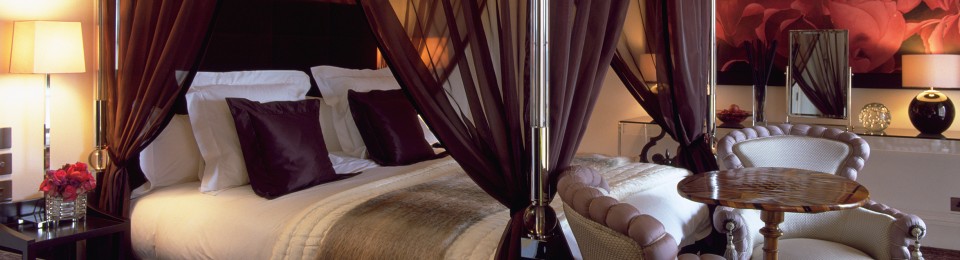

Hotel De La Paix, Cambodia

20 Friday Apr 2012

Posted by Y2DC© in Lifestyle

≈ Leave a comment

Tags

boutique hotel design, boutique hotels, hospitality design, hotel design, hotel designers, luxury hotels, luxury hotels cambodia, luxury interiors

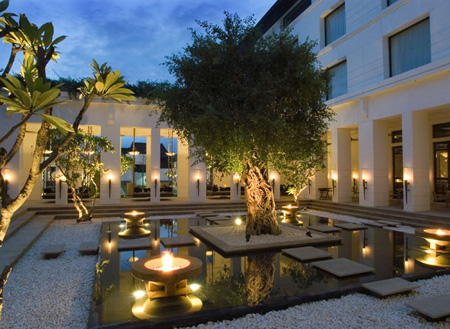
The Hotel De La Paix is just about the most luxurious hotel in Siem Reap, located in the most central of all five star hotels just steps off the markets, Tonie Sap Floating Village, Artisans d’Angkor shops and 10 minutes drive from Angkor Wat.

The Hotel De La Paix is a grand white hotel designed in the art deco and traditional Khmer design. There are 107 guest rooms and each room comes with terrazzo soaking tubs, and features art and furnitures by local artisans. We suggest the pool suite overlooking your own private pool deck which allows you to plunge into the swimming pool and water garden…very nice!

Pool Suite with deck lounge

Hotel De La Paix butterboom 0 Hotel Room: Hotel De La Paix, Cambodia

The pool

Things to do:

There’s lots to do at Hotel De La Paix. Facilities include a three-storey spa fitted with open-air shower, steam room and plunge bath, and make sure to book one of their traditional Khmer or Jamu beauty treatments made from fresh ingredients.

Hotel De La Paix butterboom 2 Hotel Room: Hotel De La Paix, Cambodia

The spa

The Art Lounge holds regular art exhibitions organized by resident curatorSasha Constable who also works with the World Monuments Fund, an organization that preserves historic buildings worldwide. Really there to see the place? Guests can also borrow iPods loaded with audio tours of Siem Reap’s temples and places to visit so there really is something for everyone.

Hotel De La Paix butterboom 4 Hotel Room: Hotel De La Paix, Cambodia

The Art Lounge

Details

  • Sivutha Bulevard, Siem Reap, Cambodia
  • Tel: 800-525-4800
  • http://www.hoteldelapaixangkor.com

Holland & Sherry

20 Friday Apr 2012

Posted by Y2DC© in Lifestyle

≈ Leave a comment

Tags

bespoke, custom suit, fashion trend, furniture, Holland & Sherry, new york style, tailoring

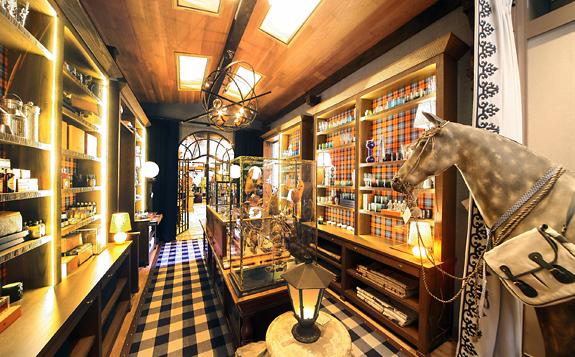
New rule: good things happen when you wander into antiques stores in Nolita. Good things like discovering an opulent new shop tucked away in the back room of one.

The proprietors of this secret shop: nearly two-century-old Scottish suit-making legends Holland & Sherry, who’ll be offering custom suits, clothing and furniture along with exotic found objects in their first official store starting Monday. Herewith, the four facts you need to know.

Everything is custom. Shirts, suits, bags and furniture are all at your bespoking mercy. If that burgundy embroidered silk couch catches your eye, feel free to tell them to craft you a robe out of it. And a rug… And while they’re at it, maybe an eye patch.

If you can see it, you can have it. You’ll notice all the lobster-based taxidermy decorating the place. It’s art. French art. And it’s for sale. Just like the antique Monte Carlo gambling table the John Smedley sweaters are stacked on, and the vintage cocktail shakers in the glass case.

There’s a bar. It’s stocked with whiskey, and it’s not for decoration.

You should get on a first-name basis. Share your hopes and dreams. Grab a seat, have a dram and tell them about your vision for a more velvet-ensconced existence. It’s an intimate, homey (if home is a country that does a lot of offshore banking) enterprise. So the sooner you’re operating on a basis of mutual, impeccably tailored trust, the sooner you’ll be welcome to use that Savannah-esque sculpture garden outside for parties.

All the better to show off your new tuxedo racing suit.

Holland & Sherry
209 Elizabeth St
New York, NY 10012
212-343-1261
official website

Mandarin Oriental, Hong Kong Partners With Art HK To Offer A Series Of Artistic Treats

19 Thursday Apr 2012

Posted by Y2DC© in Lifestyle

≈ Leave a comment

Tags

10 Chancery Lane Gallery, 1301PE, AANDO FINE ART, acb Gallery, Acquavella Galleries Inc., Alan Cristea Gallery, ALISAN FINE ARTS, Amelia Johnson Contemporary, Andersen's Contemporary, Anna Ning Fine Art, Annely Juda Fine Art, Annie Gentils Gallery, Arario Gallery, ARATANIURANO, Ark Galerie, ARNDT, ART ISSUE PROJECTS, arts, AYE Gallery, Beijing Art Now Gallery, Beijing Commune, Ben Brown Fine Arts, Bernard Jacobson Gallery, Bitforms Gallery, Blum & Poe, Boers-Li Gallery, CAIS Gallery, carlier | gebauer, Casa Triângulo, Cheim & Read, Chemould Prescott Road, Chi-Wen Gallery, CONTEMPORARY FINE ARTS, David Zwirner, DNA, Eslite Gallery, Fredric Snitzer Gallery, Gagosian Gallery, Galeria Filomena Soares, Galeria Soledad Lorenzo, Galerie Chantal Crousel de Sarthe Gallery, Galerie Christian Nagel Köln, Galerie Daniel Templon, Galerie Eigen + Art Berlin, Galerie Gebr. Lehmann Dresden, Galerie Gmurzynska, Galerie Hans Mayer, Galerie Jerome de Noirmont, Galerie Karsten Greve Ag, Galerie Krinzinger, Galerie Lelong, Galerie Mark Müller, Galerie Mezzanin, Galerie Michael Janssen, Galerie Mirchandani + Steinruecke, Galerie Nathalie Obadia, Galerie Peter Kilchmann, Galerie Urs Meile, Galerist Gana Art, Galleri Andersson/Sandström, Galleria Continua, Galleria d'Arte Maggiore G.A.M., Galleria Lorcan O'Neill Roma, Galleria Massimo De Carlo, gallery barry keldoulis, Gallery Bernier/Eliades, Gallery EXIT, GALLERY HYUNDAI, Gallery IHN, Gallery Koyanagi, Gandhara Art, Gladstone Gallery, Green On Red Gallery, Greenberg van Doren Gallery, Greene Naftali Gallery, Greengrassi, Grotto Fine Art, Hadrien de Montferrand Gallery, Hakgojae Hanart TZ Gallery, Hauser & Wirth Zurich, Hopkins Custot Gallery, HORRACH MOYA, IBID PROJECTS, Ingleby Gallery, James Cohan Gallery, Kerlin Gallery, Kukje Gallery, Kwai Fung Hin Art Gallery, L&M Arts, Langgeng Gallery, Lehmann Maupin Gallery, Leo Castelli Gallery, Leo Koenig Inc., Lin & Lin Gallery, Lisson Gallery, Lombard-Freid Projects, Long March Space, mandarin oriental hong kong, Marian Goodman Gallery, Marianne Boesky Gallery, Marlborough Gallery Inc., Max Wigram Gallery, McCaffrey Fine Art, Michael Hoppen Gallery, Michael Werner, Mizuma Art Gallery, Nadi Gallery, NANZUKA, Nature Morte, neugerriemschneider, ONE AND J. Gallery, Osage Gallery, Ota Fine Arts Roslyn Oxley9 Gallery The Pace Gallery Pace Prints MAUREEN PALEY The Paragon Press Pékin Fine Arts Galerie Emmanuel Perrotin PKM Gallery Platform China Polígrafa Obra Gráfica, Paul Kasmin Gallery, Pearl Lam Galleries, Pilar Corrias Gallery, Rhona Hoffman Gallery, Richard Gray Gallery, S.L. Galería Joan Prats Project 88 Galerie Quynh Rampa Röntgenwerke AG Galerie Almine Rech Galeria Nara Roesler Galerie Thaddaeus Ropac Rossi + Rossi Lia Rumma Gallery SCAI THE BATHHOUSE Schoeni Art, Sadie Coles HQ, Sean Kelly Gallery, Simon Lee Gallery, Soka Art Center, Sperone Westwater, Sprüth Magers Berlin London, STARKWHITE, Stephen Friedman Gallery, STEVENSON, Tang Contemporary Art, The Breeder, The Cat Street Gallery, The Drawing Room, The Goodman Gallery, The Guild, The Modern Institute/Toby Webster Ltd., Timothy Taylor Gallery, Tomio Koyama Gallery, Tornabuoni Art, travel, Two Palms, Vadehra Art Gallery, Van De Weghe Fine Art, Vilma Gold, Vitamin Creative Space, Volte, White Cube, Wilkinson Gallery, XL Gallery, YAMAMOTO GENDAI, Yvon Lambert

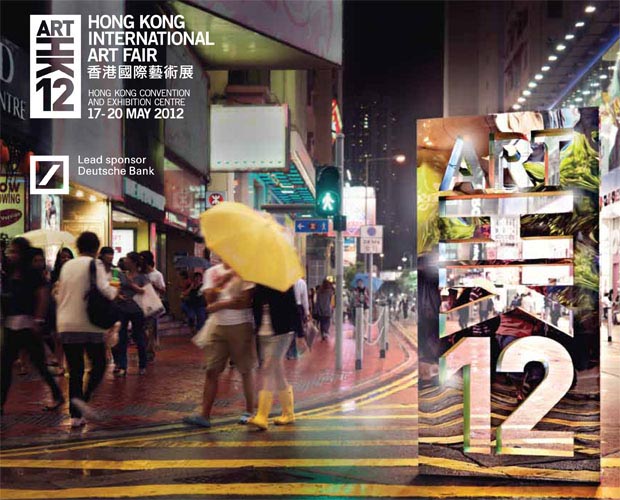
In collaboration with Art Basel, Hong Kong International Art Fair – ART HK, will this year take place from 17 to 20 May 2012.  Located in the heart of the city, the iconic Mandarin Oriental, Hong Kong has become the hotel of choice for many leading artists and gallery directors when visiting the city for either business or pleasure.

ART menu in the Michelin-starred Mandarin Grill + Bar 

Michelin-starred chef, Uwe Opocensky will be offering guests of the Mandarin Grill + Bar a special Art inspired lunch and dinner menu, which will include tickets to ART HK.  Creative, inspired and designed to stimulate all the senses, guests will be amazed and delighted as they watch these artistic dishes named Sculpture, Graffiti, Photography, Painting and Music unfold in-front of them.  The three-course lunch menu will cost HKD688 and five-course dinner menu will be priced at HKD1,488 and will be available between 1 and 20* May 2012.  For reservations please call: +852 2825 4004, or email mohkg-grill@mohg.com.  (*dinner on 20 May will not include ticket as ART HK will have ended)

ART exhibition in the Clipper Lounge
The Clipper Lounge will also become home to an outstanding collection of art by Tang Kwok Hin, in conjunction with Amelia Johnson Contemporary.  Raised in one of Hong Kong’s last remaining walled villages, Kam Tin, and aged just 28, Hin has already been named ‘one of Hong Kong’s best young artists’ and awarded numerous accolades including ‘Young Artist of the Year’ by the Hong Kong Arts Development Council in 2010 and first prize at The Hong Kong Contemporary Art Biennale in 2009.  In addition he was selected as a finalist for the Asian Sovereign Art Prize in 2010 and 2011 and for the international Arte Laguna Art Prize, Venice in 2011.  Hin’s show ‘I call you Nancy’ will be inspired by Hong Kong life, people, architecture and family records of his fictitious sister, Nancy, which is poignant due to China’s one child policy.  Framed between the windows of the Clipper Lounge, these tiered glass and Perspex pieces of art will allow guests a peek into Nancy’s life.  The exhibition will run between 1 and 26 May 2012 for dining guests to enjoy.

About ART HK
ART HK is organized by Asian Art Fairs Ltd and produced in collaboration with Art Basel.  In July 2011, MCH Swiss Exhibition (Basel) Ltd., a MCH Group company and organiser of Art Basel and Art Basel Miami Beach, acquired a 60% ownership stake in Asian Art Fairs Ltd.  ART HK – Hong Kong International Art Fair has been held in the Hong Kong Convention and Exhibition Centre since 2008.  Its success reflects the increasing importance of the Asian art market and the fact that Hong Kong is now the world’s third most important art market.  It is now firmly established as the premier art event in Asia and is a key fixture in the international art calendar.  ART HK prides itself as the best place in the world to see the latest developments in art from across Asia in the context of the best of international art from Europe and America.

Fair Director Magnus Renfrew brings over a decade of art industry experience to the Fair and recently featured in le Journal des Arts’ ‘100 Most Influential People in the Art World’ in February 2011 and in Art Review’s ‘Power 100’ in October 2010. Furthermore, Renfrew was named one of the 10 most influential figures in the Asian Art Scene by Chinese Contemporary Art News in February 2009.

Dates: 17 – 20 May 2012 / Press view: 16 May 2012 / Website: www.hongkongartfair.com

An All-White Dinner Party for 4,000

19 Thursday Apr 2012

Posted by Y2DC© in Lifestyle

≈ Leave a comment

Tags

flash mob, food wine, supper club, table decor, throwdown, travel, white linens

Good news: you’re invited to a little dinner thing.
The location: undisclosed. The menu: anything you want. The guest list: intimate.
Just 4,000 people, max.
Welcome to Le Dîner á San Diego, the first SoCal throwdown of a massive roving celebration that’s part flash mob and part supper club, taking reservations now.
Here’s what you’ll want to do. First, mark your calendar for May 25. Then, make a reservation for you and as many guests as you’d like to host at your table (which will be dressed in white linens). And then… you’ll wait.
The day of the event, they’ll spill the location. (Hint: it’s somewhere in San Diego.) What we can tell you: it’s outside. It’s well known. And it’s big enough to host 4,000 adventurous diners dressed elegantly in white. (It’s not a party unless you match your table.)
As for what’s served… well, that’s up to you. You and your party will handle the food, wine, chairs and table decor, so if you want a poised six-course donut feast with crystal stemware—knock yourself out. To your right: maybe some regal pescetarian cheerleaders. To your left: some yodeling barbecue wunderkinds. Or not. Hard to say.
Four hours later, everything’s packed up in white bags, and the place looks like nothing ever happened.
In the meantime: call your donut guy.

Le Dîner á San Diego

official website

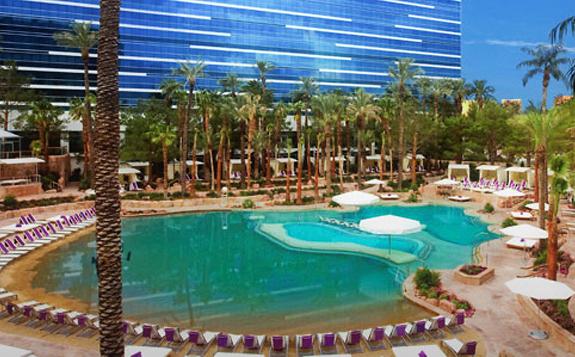
Beachlife at the Hard Rock Hotel & Casino

18 Wednesday Apr 2012

Posted by Y2DC© in Lifestyle

≈ Leave a comment

Tags

casino, hard rock cafe, hard rock hotel, Hard Rock Hotel & Casino, las vegas, travel, vacation

Summer camp left some fond memories.
Floating down lazy rivers. Co-ed squirt-gun battles. Secret recipes for mind-altering bug juice.
All of it makes you want to go back and do it again.
In Las Vegas. This weekend.
Introducing Summer Camp Fridays and Nectar Music Festival Saturdays, two new parties to grace the Hard Rock’s reckless, glorious Beachlife scene with aquatic gaming and aging rappers, launching Friday.
If you’re here, you’re probably familiar with the term “four-day weekend” already. In which case, you know the great ones share one common bond: structure.The plan: Friday, you’ll storm the 200,000-square-foot fake beach with Super Soakers and water-balloon grenades (think: Saving Private Ryan meets Showgirlsmeets Meatballs). Don’t hesitate to flag a staff member wearing counselor garb (beige polo, whistle, visor) in case you forgot how.
Saturday, you’ll hear a live, weekly-rotating concert series that should answer the “Where are they now” question pretty definitively. On stage: Snoop Dogg, the B-52s, Collective Soul. And you’ll do it from your private cabana while a personal masseuse works your shoulders behind closed curtains.
Grueling business, we know. So you’ll wind down with the Hard Rock’s usual end-of-weekend routine: Rehab Sundays followed by Relax Mondays.
Rehab can be so stressful.

Beachlife 
at the Hard Rock Hotel & Casino
4455 Paradise Rd
Las Vegas, NV 89169
702-693-5555
official website

Bella Beach Club | Miami

18 Wednesday Apr 2012

Posted by Y2DC© in Lifestyle

≈ Leave a comment

Tags

sunny isles beach, sunny isles beach fl

Beach balls make everything better.

Like, say, when you’re at a concert and the lead singer announces, “Here’s a cut off our new album.”

Or during a long valedictorian speech.

Or on the day after Tax Day.

Allow us to explain…

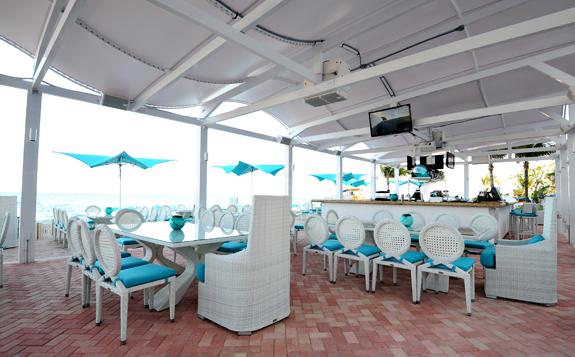
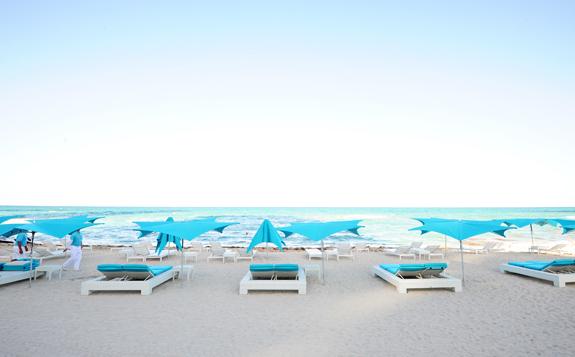
Presenting Bella Beach Club, a new oceanfront playpen dedicated to island-style bocce, island-style cocktails and island-style R&R, now soft-open.

What you’re looking at is basically an all-day beach retreat ripped from the pages of a St. Martin playbook. Which means you’re coming here to do nothing. In a swimsuit. For as long as you damn well please. And yes, there’ll be a canvased terrace, a house DJ and a bunch ofwhite wicker daybeds to assist in your nothing.

So it’s Saturday. The sun is lolling overhead. You’re spreading out on a daybed and ordering a Bella Sunrise(tequila, pineapple, Moët, ginger flower) and some South African lobster tail from a sarong-skirted waitress (boy, do we know you well). When suddenly, you get the urge to play a sport that requires very little movement.

The ridiculous answer: mixed doubles doggy-paddling in the surf. The logical answer: bocce. They’ve got a court set up right on the shore and (we assume) a highly competitive/flawlessly bronzed Icelandic flip-flop model who’s waiting to take on all challengers.

Warning: Icelandic flip-flop model may look like an Italian grandfather.

Bella Beach Club
in the Trump International Beach Resort
18001 Collins Ave
Sunny Isles Beach, FL 33160
305-692-5777
official website

← Older posts
Newer posts →

Enter your email address to subscribe to this blog and receive notifications of new posts by email.

Join 218 other subscribers

Follow us on twitter

Tweets by Y2DC

Become our Friend on Facebook

Become our Friend on Facebook

Recent Posts

  • MNKY HSE | MNKY LNGE
  • The Golden Ratio: Design’s Biggest Myth
  • Twice old and once new: Holiday apartment in Switzerland
  • Dering Hall
  • hedge_9_folio_067

Blog at WordPress.com.

  • Subscribe Subscribed
    • Y2DC©
    • Join 218 other subscribers
    • Already have a WordPress.com account? Log in now.
    • Y2DC©
    • Subscribe Subscribed
    • Sign up
    • Log in
    • Report this content
    • View site in Reader
    • Manage subscriptions
    • Collapse this bar
 

Loading Comments...